Different Paths, Same Passion
Not everyone starts from the same place. Some come from film backgrounds, others from corporate communications. A few had zero media experience. Here's what happened after they made the jump.
Kendra Falstad
Started with weekend shifts at a university station in Taichung. Spent months getting comfortable with dead air. Now produces a weekly investigative podcast that covers environmental issues across central Taiwan. Still gets nervous before live interviews, but that's part of it.
Luka Mihelčić
Left a stable corporate job to chase stories. Took about eight months of freelance work before landing a part-time gig with a local station. Covers business news in Taipei now—turns out his marketing background actually helps when interviewing CEOs.
Siobhan Kilkenny
Taught English in Kaohsiung for six years before picking up a camera. Started documenting local cultural traditions on weekends. Her first short film about traditional puppet theater caught attention at a regional festival. Now working on her third documentary project.
Branimir Horvat
Always had an eye for visuals. Transitioned from print design to video editing almost by accident when a friend needed help. Spent a year learning editing software and story structure. Works for a digital news platform now, cutting packages that get shared across social media.
Aoife Brennan
Started writing about local food scenes in Tainan. Her blog posts turned into short video features. A regional news outlet noticed and offered a trial period. She's been with them for two years now, covering everything from night markets to city council meetings.
Dragan Pavlović
Came from tech, not media. But broadcast stations need people who understand streaming infrastructure and digital distribution. He bridges the gap between journalists and the technical side. Says half his job is translating between two groups who speak different languages.
A Typical Path (If There Is One) from February 2026
Most people don't go from zero to on-air in a few weeks. Here's what a more realistic progression looks like for someone starting broadcast journalism training in early 2026.
Months 1-3: Foundation Building
February - April 2026You're learning the basics—how to write for broadcast, what makes a story worth covering, how to conduct interviews without stumbling over your questions. It feels slow. You'll record yourself and cringe at how you sound. That's normal.
Months 4-6: First Real Assignments
May - July 2026Small community stories. Local events. Nothing glamorous, but you're building a portfolio. You mess up audio levels. You forget to ask follow-up questions. But you're also starting to see what works and what doesn't when you put a package together.
Months 7-9: Finding Your Voice
August - October 2026Around this point, things click a bit more. You know which equipment does what. You can set up an interview location without panicking. You're developing a sense for stories that matter to actual people rather than just filling airtime.
Months 10-12: Building Connections
November 2026 - January 2027The media industry in Taiwan runs on relationships. You start meeting people—other journalists, producers, freelancers. Some turn into mentors. Others become collaborators on projects. This network matters more than most people realize at the beginning.
After Year One: What Comes Next
Beyond February 2027Some people land full-time positions. Others piece together freelance work. A few realize broadcast isn't for them and pivot to related fields like PR or content strategy. All of these are valid paths. The key is you've got actual experience now, not just theory.

Where Learning Actually Happens
Hands-On Training SpacesTheory matters, but you can't learn broadcast journalism from a textbook. Most of our training happens in production environments that mirror real newsrooms and studios.
You'll spend time with cameras, editing software, audio equipment, and live broadcast setups. Not as an observer—as the person operating them and figuring out what works.
- Equipment failures teach you troubleshooting faster than any manual
- Working under time pressure shows you what corners you can cut and which you can't
- Making mistakes in a training environment beats making them on your first job
The Collaboration Factor
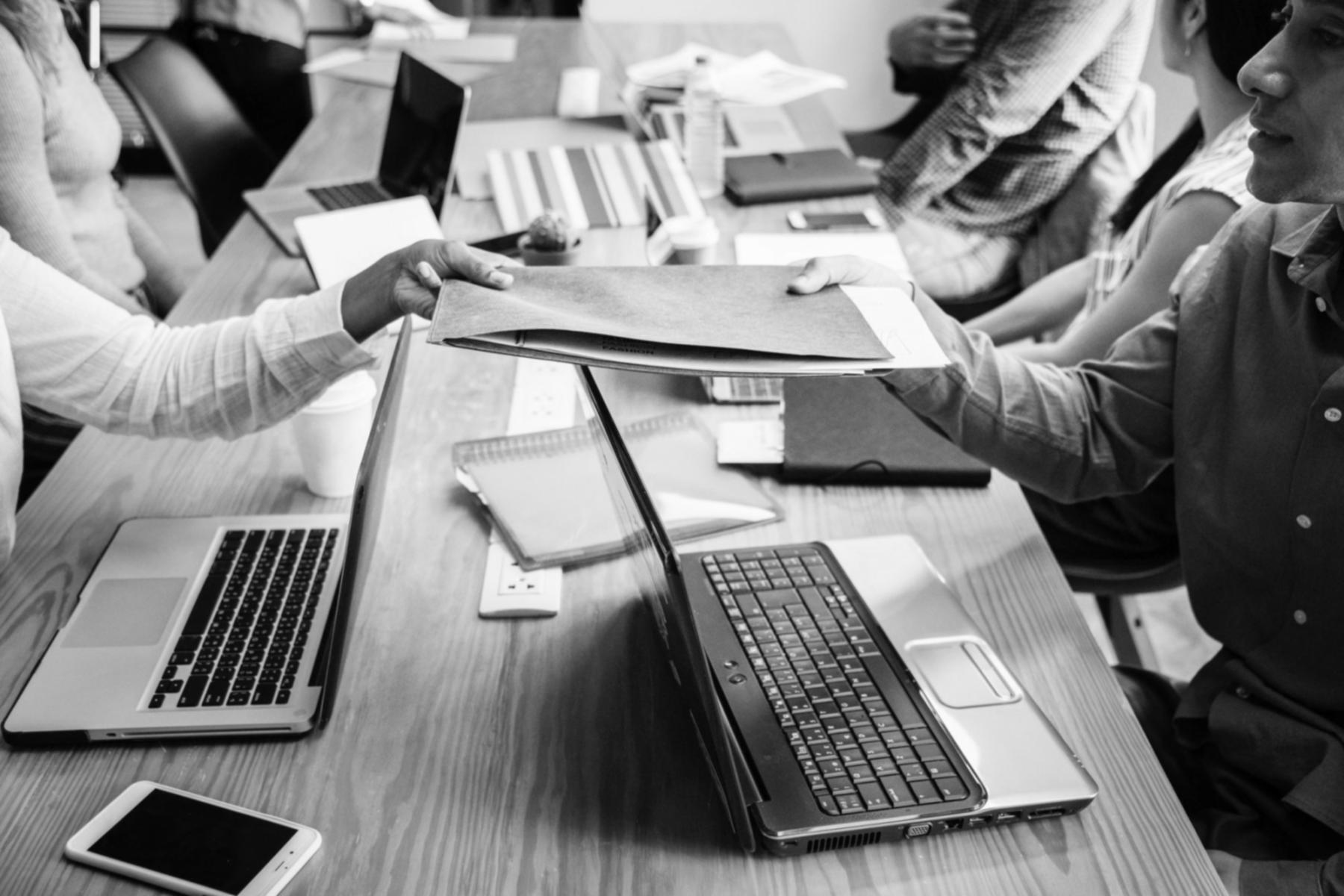
Why Solo Skills Aren't EnoughGood broadcast journalism rarely happens alone. Even if you're a one-person multimedia operation, you're coordinating with sources, editors, and technical staff.
Training includes group projects for a reason. You learn to pitch ideas, accept criticism, and work with people who have different approaches. Sometimes the best story comes from someone else's suggestion you initially disagreed with.
- Working with different personalities prepares you for diverse newsroom cultures
- Feedback sessions help you separate useful critique from personal preference
- Collaborative projects often lead to better final products than solo work
What People Actually Say
No polished testimonials here. These are unfiltered thoughts from people who went through broadcast journalism training and came out the other side with honest perspectives.
The first three months were rough. I questioned whether I made the right choice leaving my previous job. But around month four, something shifted. I stopped overthinking every word and just started reporting. That's when it got interesting.
Nobody tells you how much rejection you'll face. Pitches that go nowhere. Story ideas that get killed. Sources who won't talk to you. It builds thick skin fast. You either adapt or you quit. Most people who stick around learn to adapt.
The technical stuff—cameras, editing, audio—that's learnable. What's harder is developing news judgment. Knowing which stories actually matter and which ones just seem important. That takes time and honestly, a lot of mistakes.
I appreciate that the training didn't promise me a job. It promised skills. Whether I turned those skills into work was up to me. That honesty was refreshing compared to other programs I looked at.
The networking aspect surprised me. I thought it would be all about building technical skills. But the connections I made with other journalists and industry people—that's what opened doors when I was looking for work.
Some weeks you're excited about every story. Other weeks you wonder why you're covering another city council meeting. The passion doesn't stay constant. You learn to work through the boring stuff because that's where you sometimes find the unexpected angle.
Your Story Starts When You're Ready
These success stories didn't happen overnight. They started with someone deciding to try. If you're thinking about broadcast journalism, we can talk about what that might look like for you. No pressure, no promises—just an honest conversation about the work ahead.
Start a Conversation