
Student Broadcasting Projects
Our students transform theoretical knowledge into real-world broadcast content. These projects aren't academic exercises—they're genuine pieces built for actual audiences. Each represents hundreds of hours of research, planning, production work, and revision.
You'll see investigative packages, documentary segments, live interview formats, and field reporting from students at different stages of their journey. Some polished, some rough around the edges. All authentic learning experiences.
Recent Student Work
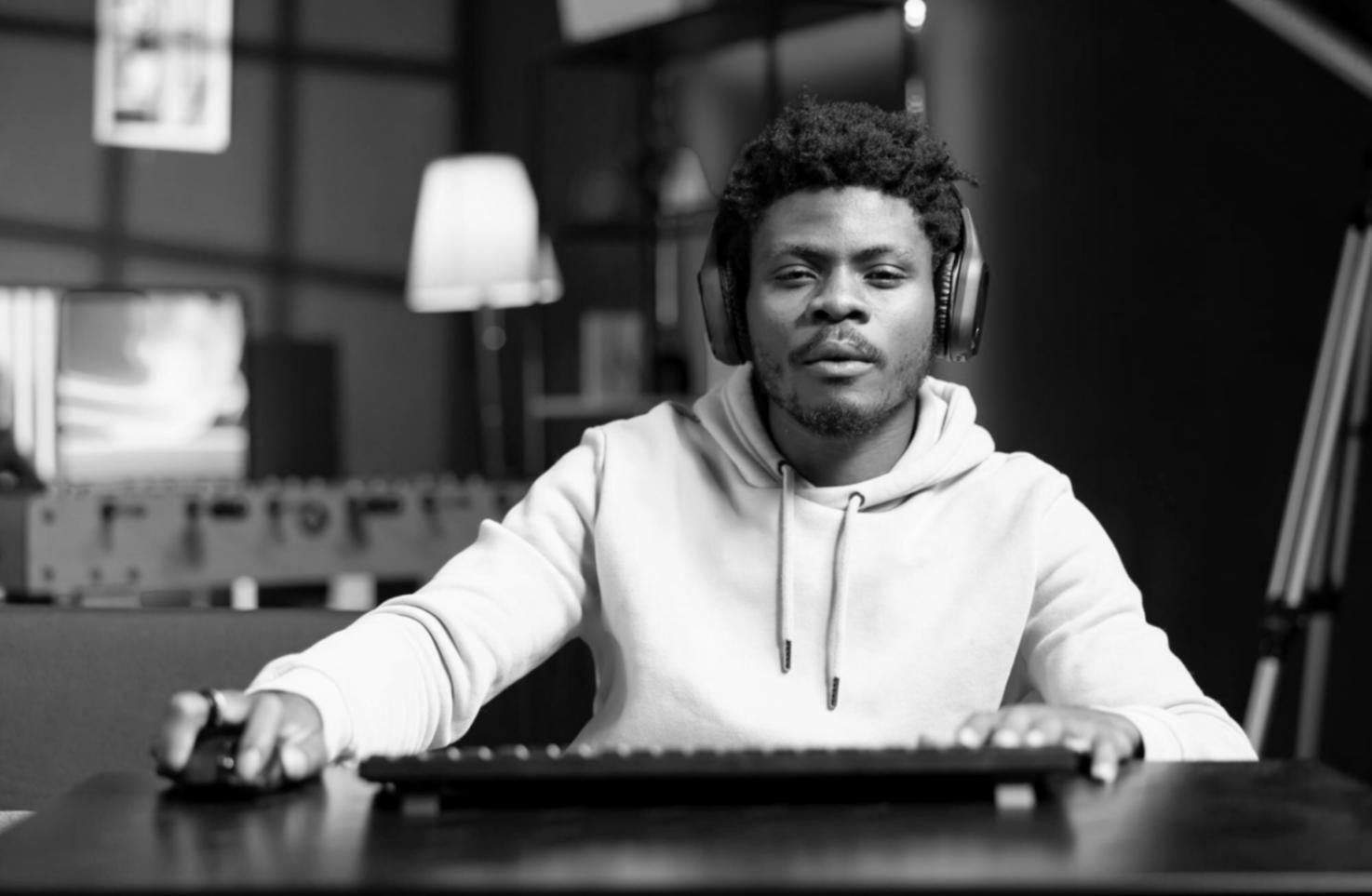
Night Market Economics Investigation
Eimear spent three weeks documenting the supply chains behind Taipei's night markets. Her piece traces food vendors back to wholesale markets, examining pricing structures and profit margins. The interview with a fourth-generation vendor became unexpectedly emotional—that wasn't scripted, just good timing and trust-building.

Coastal Erosion Documentary Series
Darko's four-part series examines Taiwan's northeastern coastline changes over the past decade. He combined satellite imagery analysis with on-the-ground interviews from fishing communities. The technical challenge was matching archival footage color grades with new material—took him forever, but the continuity works.

Language Preservation Field Reports
Saskia profiled three indigenous language teachers working with younger generations. Her approach balanced cultural sensitivity with journalistic objectivity. The audio mixing was particularly challenging—recording in outdoor locations with unpredictable weather conditions. She learned fast about backup recording systems.
What Students Build Here
Technical Broadcast Skills
- Multi-camera production setup and switching
- Field audio recording with professional equipment
- Non-linear editing with industry-standard software
- Color correction and grading workflows
- Graphics integration and motion design basics
- Live broadcast technical direction
- Archive footage research and licensing
Editorial Development
- Story structure for different broadcast formats
- Interview technique and question development
- Source verification and fact-checking protocols
- Script writing for voice-over narration
- Ethical decision-making in field situations
- Audience analysis and content adaptation
- Revision processes based on editorial feedback
Project Development Stages
Pitch and Research Phase
Students propose story ideas with preliminary research. We push back on weak angles or logistical impossibilities. This stage involves source identification, location scouting, and developing a realistic production timeline. Most initial pitches get reworked at least once.
Pre-Production Planning
Once approved, students develop shot lists, interview questions, and equipment requirements. They submit production schedules and backup plans. We require contingency thinking—weather changes, sources cancel, equipment fails. Learning to anticipate problems is half the job.
Field Production Work
Students conduct shoots with instructor oversight available but not constant. They problem-solve technical issues on location, adjust to changing circumstances, and make editorial decisions in real time. This is where theoretical knowledge meets practical reality—sometimes painfully.
Post-Production and Revision
First cuts typically need significant rework. We provide detailed feedback on pacing, structure, technical quality, and editorial choices. Students revise based on critique sessions. The goal is broadcast-ready work, not just completion. Some projects go through five or six revision rounds.
Program Outcomes
Interested in Joining Our Program?
We're accepting applications for our March 2026 cohort. Spots are limited to maintain quality instruction and equipment access ratios. Previous journalism experience isn't required, but you should have strong curiosity and comfort with technical learning.
- Submit a 500-word essay explaining your interest in broadcast journalism and what stories matter to you
- Provide examples of any previous media work, writing samples, or relevant projects
- Complete a brief technical assessment to gauge baseline equipment familiarity
- Participate in a 30-minute interview discussing your application materials
- Demonstrate availability for intensive project work during program months